

9 Powerful Tips to Stretch Your Food Budget and Boost Your Savings
Tired of watching your hard-earned money disappear at the grocery store checkout? Want your good food and eat it as you ring up another expensive decent food bill? You are in luck! Our guide on 9 effective tips to stretch your food budget will revolutionize your shopping, cooking, and eating habits. Whether you are an experienced saver or novice in the financial planning field, you are about to learn tips to stretch your food budget and how to make the most of your food spend without sacrificing your appetite.
The Power of Smart Food Budgeting Food budgeting is beyond the act of minimizing costs. It is the sum of deliberate choices that enables you to enjoy top-tier meals while saving. The following 9 tips empower you to:
- Cut your grocery expenses by half or more
- Prepare healthy, delicious meals without breaking the bank
- Eliminate food wastage and maximize your prep
- Learn a new skill – meal planning and organize your resources
- Gain financial independence and smash your saving records
Say no to food-related expenses and say yes to focused efforts to achieve your financial goals. Here are the 9 tips to follow:
Food Budgeting Basics; Understand How to Manage Your Food Costs But before we discuss these nine ground-breaking tips to stretch your food budget, we must understand the basics of food budgeting and how they can guide your shopping and eating strategy.
What is Food Budgeting? Contrary to other budgeting definitions, food budgeting is a game-changer in stabilizing your financial health. In doing so, it enables you to make discretion choices while in the comfort of your dining table.
- Lowering household expenses Detailed View Model – 2- Nutrition, Sustainable Food and Smart Eating habits Stress from meal planning and shopping · Aiding you in reaching financial goals for the long term We teach children how to take care of themselves (sensibly) by learning basic life skills like cooking and resource management. Following these 9 tips in your daily routine will be the first step for you to take control over you finances and possibly benefiting from it.
Tip 1: Meal Plan Like A Pro The key is to make meal planning work for you and your food budget. Changes how you do Groceries and Cooking

Benefits of Meal Planning
Sense of urgency to buy at the store if you just know in advance
- Reduces food waste; efficiently uses ingredients When you are working according to a tight schedule- Time Saver Encourages Variety in your Diet
Meal Planning Tips
- Time per week for planning
- Here it is essential to look at what foods you already have in your house
- Read: Meal prep according to sale price/seasonal preferences
- Make a Plan and Shopping List
- Set out Ingredients for easy, fast cooking
Meal Planning Tools
- Digital meal-planning apps
- Printable meal templates Recipe websites with custom meal plans Meal planning is the key to doing everything else on the list cheaper.
Tip 2: Buy in Bulk

Buying in bulk is a fantastic way to decrease food expenses as time goes on.
Benefits of Bulk Buying
- Lower cost per unit – Less number of store trips, thus saving time and money
- Less packaging waste
Items to Buy in Bulk
Non perishable basics- rice/pasta/canned goods Frozen Fruits & Vegetables
- Meat (portion and freeze) Household essentials (tissues, cleaning supplies)
Bulk Buying Best Practices
- Ranking the Best Unit Prices
- Check storage and shelf life of item(s)
- Split larger buys with family or friends if need be
- Proper Storage To Keep Fresh Longer
Common Mistakes to Avoid
- Buying more than you need Wasting money on things go hardly used Bad storage and waste due to it You can simply add bulk buying to your routine in order for you to stretch more of your limited food budget.
Tip 3: Have a coupon and shop around Using Coupons & Buying On Sale Savings on Your Groceries
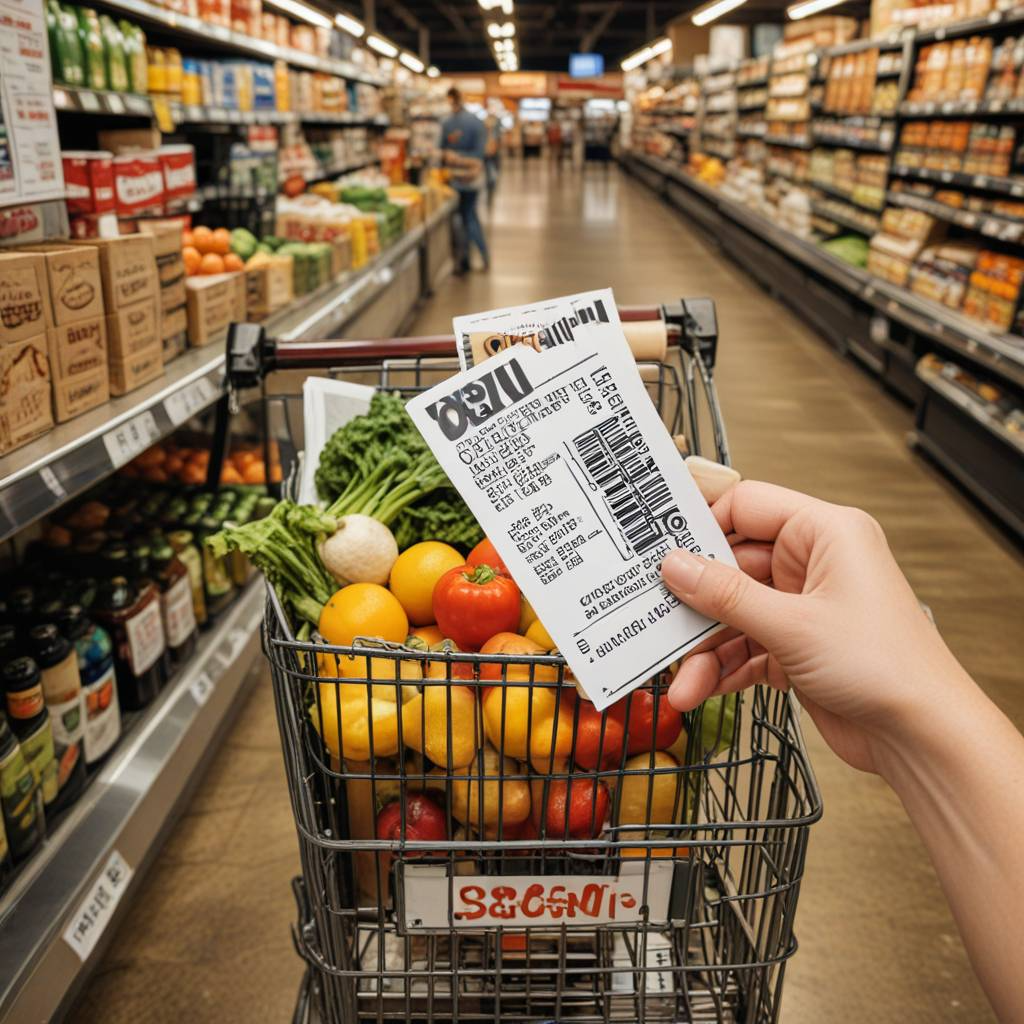
C. Top Offer 1 Coupon or Sale(ALOAD TODAY BENEFITS OF COUPONS AND SALES) Save Lots of Money on Everyday Stuff Testing products and saving money. Using coupons in conjunction with sales to Score the Biggest Savings
How to Start Couponing
- 2-Get Coupons from Different Places (Newspapers, Online and Apps)
- Sort down to the expiration date and item type in coupons.
- Shop the sales and couponedralize your shopping trip
- Learn about Store Coupon Polices
How to Shop Sales
- Take advantage of sales to buy non-perishable Products Price matching where you can
- Enroll in store loyalty programs for special offers Buy in season for lower costs
Digital Couponing and Cash back Apps Store-specific apps to get digital coupons (no paper required)! – Cashback apps such as Ibottaor Rakuten – Maximize grocery spending with credit card rewards for groceries Using coupons and sales to your advantage will easily save you several hundreds of dollars annually.
Tip 4: Make Meals from Scratch and Batch Cook You can save a little money by cooking from scratch and batch-cooking.
Advantages of Cooking from Scratch It is cheaper than shopping for raw and processed foods. You pick the ingredients for better meals Assists in learning essential cooking techniques
- Good chance for family cooking fun
From Scratch Cooking
- Basic Recipes and Easy starts
- Essential cooking tools and pantry items
- Whip up some sauces and dressings
- Homemade store-bought items (bread, yogurt, granola)
Batch Cooking Benefits
- Saves time on weeknights
- With takeout – Buys in bulk/takes advantage of sales
- Reduces food waste
How to Batch Cook
- Pick recipes that freeze well
- Quality food storage containers
- Keep a list of all stored meals and label them with the meal name, ingredients and date produced.
- Monthly batch cooking day ahead plan This will help you save money AND eat at a higher quality because, seriously — cooking with some integrity from scratch and batch cooking frankly is just better than most fast food anyway.
#5 Grow your own food
Planting your own fruits, vegetables and herbs will help save money from groceries and you get fresh produce bank on it!!!
Top 10 Benefits of Home Gardening Produce savings are huge Organic, pesticide-free foods The therapeutic qualities of gardening
- Educational for children — Benefit to environment
Starting a Home Garden
- Determine Your Space (backyard, balcony or windowsill) Duplicate.
- Pick beginner plants (herbs, tomoatoes, head lettuce)
- Purchase simple gardening tools and soil.
- Composting for frugal soil machines
Container Gardens for Urban Spaces – Employ vertical gardening techniques — Choose small or dwarf versions
- Use hanging baskets
- Try indoor hydroponics
Tip 6: Master the Art of Food Preservation

Preserving Your Harvest
- Learn canning and pickling
- Freeze excess produce
- Dry herbs for later use
- Trade or barter with neighbors. After all, Growing it makes you save and appreciate your food.
Food preservation Techniques
To just master food preservation to keep your crops for a longer period and help minimize waste.
Many Advantages Of Food Preservation
- Extends shelf life of food – Silly season in bulk buys saving金额_HandleTypeDef- Maximises savings on LadyAdaSales
- Reduces waste Convenient — meals are all set and ready to be consumed
Food Preservation Techniques in General
- Freezing
- Most fruits and vegetables require very little effort to process Ideal for big cookups – Purchase Freezer Secure Containers
- Canning Great for fruits, veggies and homemade sauce + jams — Equipment investment required upfront Safety tips for canning
- Dehydrating
- Good for fruits, veggies and herbs
- Makes for lightweight long term food storage This can be accomplished with a dehydrator or in your oven at 115℉!
- Pickling •Acts to prolong the life of vegetables All supply sour, probiotic-rich foods. Q: Vinegar or fermentation.
Preserving food saves you money and reduces the amount of waste.
Tip 7: Embrace Plant-Based Protein Sources
Incorporating more plant-based proteins into your diet is not only beneficial for your health but also for your wallet.
Benefits of Plant-Based Proteins
- Generally less expensive than animal proteins
- Longer shelf life for many plant-based proteins
- Lower environmental impact
- Potential health benefits from increased fiber and nutrient intake
Affordable Plant-Based Protein Sources
- Legumes (beans, lentils, chickpeas)
- Versatile in various cuisines
- Can be bought dry in bulk for maximum savings
- Tofu and Tempeh
- Absorb flavors well in cooking
- Can be frozen for longer storage
- Whole Grains (quinoa, brown rice, oats)
- Provide complete proteins when combined with legumes
- Inexpensive and shelf-stable
- Nuts and Seeds
- Great for snacking and adding to recipes
- Buy in bulk and store in the freezer for freshness
Incorporating Plant-Based Proteins into Your Diet
- Start with “Meatless Monday” to experiment with new recipes
- Use lentils or beans to extend ground meat in recipes
- Explore international cuisines that traditionally use plant-based proteins
- Experiment with homemade veggie burgers and plant-based meat alternatives
Money-Saving Plant-Based Recipes
- Hearty lentil soup
- Chickpea curry
- Black bean and quinoa bowls
- Stir-fry with tofu and mixed vegetables
By embracing plant-based proteins, you’re not only following one of our 9 tips to stretch your food budget but also diversifying your diet and potentially improving your overall health.
Tip 8: Optimize Your Kitchen and Pantry Organization

An organized kitchen and pantry can significantly contribute to stretching your food budget by reducing waste and improving meal planning efficiency.
Benefits of Kitchen and Pantry Organization
- Prevents overbuying by knowing what you have on hand
- Reduces food waste from forgotten or expired items
- Streamlines meal preparation process
- Inspires creativity in using available ingredients
Steps to Organize Your Kitchen and Pantry
- Declutter and deep clean
- Remove expired items
- Donate unused, non-perishable foods
- Categorize items
- Group similar items together (baking supplies, canned goods, snacks)
- Use clear containers for bulk items
- Implement a storage system
- Use shelf risers, lazy Susans, and door organizers
- Label containers and shelves
- Practice the “First In, First Out” (FIFO) method
- Place newer items behind older ones
- Rotate perishables regularly
Smart Storage Solutions
- Vacuum sealers for extending food freshness
- Produce storage containers to keep fruits and vegetables fresh longer
- Freezer organizers for easy access to frozen goods
Maintenance Tips
- Regularly audit your pantry and refrigerator
- Keep an inventory list, especially for deep freezer items
- Clean and reorganize quarterly
By optimizing your kitchen and pantry organization, you’re implementing another crucial strategy in our 9 tips to stretch your food budget, ensuring that you use what you have and minimize waste.
Tip 9: Learn the Art of Creative Leftover Transformation
Mastering the skill of transforming leftovers into new, exciting meals is a game-changer in stretching your food budget and reducing waste.
Benefits of Leftover Transformation
- Reduces food waste significantly
- Saves time on meal preparation
- Adds variety to your diet
- Challenges your creativity in the kitchen
Strategies for Leftover Transformation
- Plan for leftovers
- Intentionally cook extra for future meals
- Consider how ingredients can be repurposed
- Master versatile bases
- Learn to make sauces, dressings, and spice blends
- Use these to transform leftovers into new dishes
- Think outside the box
- Turn dinner leftovers into breakfast or lunch
- Combine leftovers from different meals for fusion dishes
- Invest in good food storage containers
- Proper storage extends the life of leftovers
- Use clear containers to easily see what’s available
Creative Leftover Ideas
- Transform roast chicken into chicken salad or soup
- Use leftover rice for fried rice or rice pudding
- Blend overripe fruits into smoothies or bake into muffins
- Turn stale bread into croutons or breadcrumbs
Safety Tips for Handling Leftovers
- Cool leftovers quickly and refrigerate within two hours
- Use refrigerated leftovers within 3-4 days
- Reheat leftovers thoroughly to 165°F (74°C)
- When in doubt, throw it out
By mastering the art of leftover transformation, you’re implementing the final strategy in our 9 tips to stretch your food budget, ensuring that every bit of food is used to its full potential.
Conclusion
But start by taking action on these 9 tips to get resolutions in your food spending, save money and eat better meals! Pick the one or two strategies and over time, it will start becoming second nature to you. Implementing these habits will allow you to eat well, save your money (you shouldn’t be spending much on groceries), AND still work towards a few of those financial goals.