
Are Cats Nocturnal? Unveiling the Mysteries of Your Feline’s Nighttime Behavior
Cats are fascinating creatures with behaviors that often puzzle their human companions. One of the most common questions cat owners ask is, “Are cats nocturnal?” If you’ve ever been woken up in the middle of the night by your cat’s playful antics or seen them prowling around your home during the dark hours, you might assume that they are. In this comprehensive guide, we will explore the true nature of feline sleep patterns, what drives their nighttime activities, and how you can harmonize your cat’s schedule with your own.
Understanding the Nocturnal Nature of Cats
Are Cats Nocturnal or Crepuscular?
The short answer to the question “Are cats nocturnal?” is not as straightforward as you might think. While many people believe that cats are nocturnal, the truth is that they are actually crepuscular, which means they are most active during the early morning and late evening hours—dawn and dusk. This crepuscular behavior is a survival trait inherited from their wild ancestors who hunted during these times to avoid predators and maximize hunting success.
The Science Behind Feline Activity Cycles
Cats have evolved as ambush predators, meaning their hunting skills are optimized for low-light conditions. Their remarkable night vision allows them to see well in the dark, but it’s the combination of heightened senses that makes them particularly effective at these times. The hunting instincts of a cat are deeply ingrained, and their natural sleep-wake cycle is tuned to exploit moments when their prey is most vulnerable.
Cats typically sleep between 12 to 16 hours a day, conserving energy for their bursts of high activity. This behavior often leads to increased activity during twilight hours, contributing to the misconception that cats are purely nocturnal.
Why Do Cats Seem Nocturnal?
Instinctual Behavior Inherited from Wild Cats
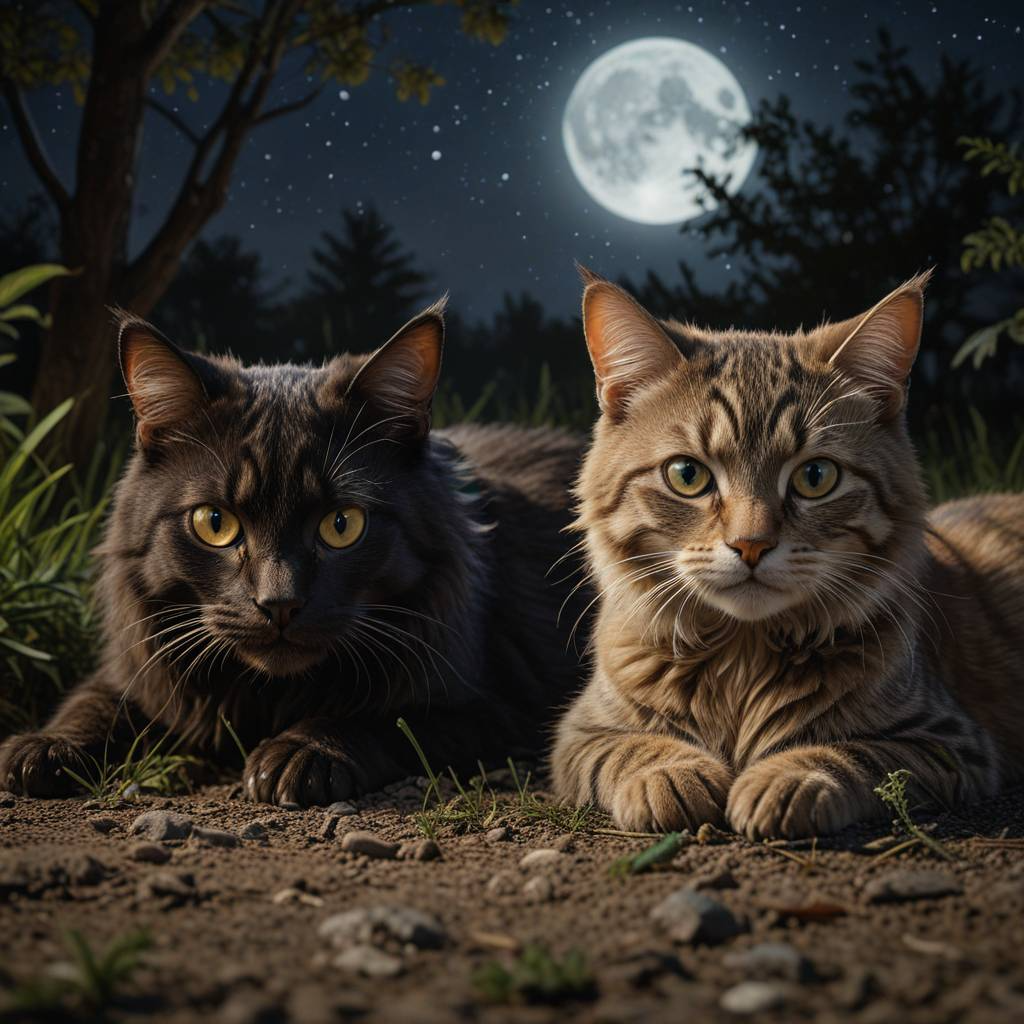
Domesticated cats share many traits with their wild ancestors, including their predatory instincts. Wild cats, such as the African wildcat, are crepuscular hunters that prefer to stalk their prey during the cooler, dimly lit hours of dawn and dusk. Your domestic cat’s bursts of energy late at night or early in the morning are a reflection of these primal hunting habits.
Adaptability to Human Routines
While cats have retained many of their wild instincts, they are also incredibly adaptable creatures. Cats living in close proximity to humans often adjust their activity patterns to align more closely with their owners’ schedules. However, if your cat’s energy peaks in the middle of the night, it’s not because they’re entirely nocturnal; they’re simply exhibiting behaviors that are hardwired into their DNA.
The Impact of Diet and Play on Your Cat’s Activity
Feeding Schedules and Nighttime Activity
What you feed your cat, and when, can have a significant impact on their energy levels. Feeding your cat right before bedtime can sometimes help reduce their nighttime activity since their instinct is to rest after a meal. Conversely, cats that eat small meals throughout the day may have more bursts of energy at unexpected times, including the wee hours of the night.
The Power of Playtime
Engaging your cat in interactive play sessions during the day, especially in the evening, can help curb their desire to play during the night. Toys that mimic prey, such as feather wands or laser pointers, can help satisfy your cat’s hunting instincts and tire them out before bedtime. This proactive approach can help reduce those midnight zoomies that are all too familiar to cat owners.
How to Manage Your Cat’s Nighttime Behavior

Creating a Comfortable Sleeping Environment
Cats are creatures of comfort, and providing a cozy, quiet space for them to rest can encourage them to sleep more at night. Invest in a comfortable cat bed or place soft blankets in a quiet corner. By designating a specific sleeping area, your cat may be less likely to disturb your slumber.
Establishing a Routine
Cats thrive on routine, and a consistent schedule can help regulate their activity levels. Feeding, playtime, and even bedtime should occur at roughly the same times each day. Over time, your cat will adjust to this routine, which can help minimize late-night disruptions.
Common Misconceptions About Nocturnal Cats
Myth: All Cats Are Night Owls
One of the biggest misconceptions is that all cats are night owls, prowling through the night with endless energy. While cats may be active at night, this is not because they are strictly nocturnal. Many cats adjust their schedules based on their environment and the habits of their human companions.
Myth: Cats Sleep All Day Because They Are Up All Night
Another common myth is that cats sleep all day because they spend all night being active. In reality, cats have polyphasic sleep patterns, meaning they sleep multiple times throughout a 24-hour period. This natural tendency to nap frequently allows them to be ready for bursts of activity whenever the opportunity arises.
The Benefits of Understanding Your Cat’s Activity Patterns

Strengthening the Human-Cat Bond
By understanding why your cat behaves the way it does, you can better meet its needs and strengthen your bond. Recognizing that your cat’s nighttime activities are rooted in natural behaviors can help you develop more empathy and patience. Instead of viewing your cat’s antics as a nuisance, you can appreciate them as part of what makes your feline friend so unique.
Improving Your Cat’s Well-being
When you know the answer to “Are cats nocturnal?” and recognize that they are crepuscular, you can better structure their environment and daily routines to cater to their natural inclinations. This not only helps reduce stress for both you and your cat but also contributes to a happier, healthier feline companion.
Conclusion: Are Cats Nocturnal? The Final Verdict
So, are cats nocturnal? While they may display behaviors that resemble nocturnal animals, the reality is that cats are crepuscular, not strictly nocturnal. Their activity peaks during dawn and dusk, driven by their hunting instincts and evolutionary history. By understanding these behaviors and working to align their routines with your own, you can enjoy a harmonious coexistence with your furry friend.
Whether your cat is chasing shadows in the middle of the night or curling up beside you as the sun sets, these behaviors are all part of their rich, instinctual life. Embrace your cat’s unique rhythms, and you’ll find that even their nighttime adventures can add a touch of magic to your world.