5 Reasons Your Dog Might Shed More in Winter
As the winter months roll in, many pet owners notice an increase in their dog’s shedding. While it might seem counterintuitive that shedding could increase when the weather is colder, several factors can contribute to this phenomenon. Understanding the reasons behind this winter shedding can help you manage it effectively and ensure your dog’s coat remains healthy and beautiful. In this comprehensive guide, we will delve into the 5 Reasons Your Dog Might Shed More in Winter and offer practical tips to help you address and manage this seasonal challenge.
1. Seasonal Coat Changes

One of the primary reasons your dog might shed more in winter is due to seasonal coat changes. Many dog breeds experience a transition in their coat as the seasons change, which can lead to increased shedding. During winter, dogs may shed their summer coat to make way for a thicker, warmer winter coat. This natural process helps them adapt to the colder temperatures, ensuring they stay comfortable and protected.
Understanding Seasonal Shedding:
- Double-Coated Breeds: Breeds with double coats, such as Huskies and Golden Retrievers, are particularly prone to seasonal shedding. Their undercoats change in response to the temperature, leading to increased shedding as they transition from summer to winter.
- Gradual Process: This shedding doesn’t happen overnight. It’s a gradual process that can last several weeks, and it’s perfectly normal for your dog to shed more during this time.
Tips for Managing Seasonal Shedding:
- Regular Grooming: Brush your dog’s coat regularly to help remove loose hair and prevent it from spreading throughout your home.
- Healthy Diet: Ensure your dog is on a balanced diet that supports coat health. Omega-3 fatty acids, found in fish oil, can improve skin and coat condition.
Seasonal coat changes are a natural part of your dog’s life, but with a little extra care, you can keep shedding to a manageable level.
2. Indoor Dry Air
During the winter months, indoor air can become significantly dry due to heating systems. This dry air can affect your dog’s skin and coat, leading to increased shedding. Dry skin can cause irritation and discomfort, prompting your dog to scratch and shed more than usual.
Impact of Dry Air on Your Dog:
- Skin Irritation: Dry air can lead to flaky, itchy skin, which in turn can cause your dog to shed more.
- Static Electricity: Dry air can increase static electricity, leading to more hair sticking to furniture and clothes.
How to Combat Dry Air:
- Humidifiers: Use a humidifier in your home to maintain optimal moisture levels in the air.
- Hydration: Ensure your dog has access to fresh water at all times to keep their skin hydrated from the inside out.
- Moisturizing Products: Consider using a pet-safe moisturizer or conditioning spray to soothe dry skin.
By addressing the issue of dry indoor air, you can help minimize its impact on your dog’s shedding and overall comfort.
3. Changes in Diet

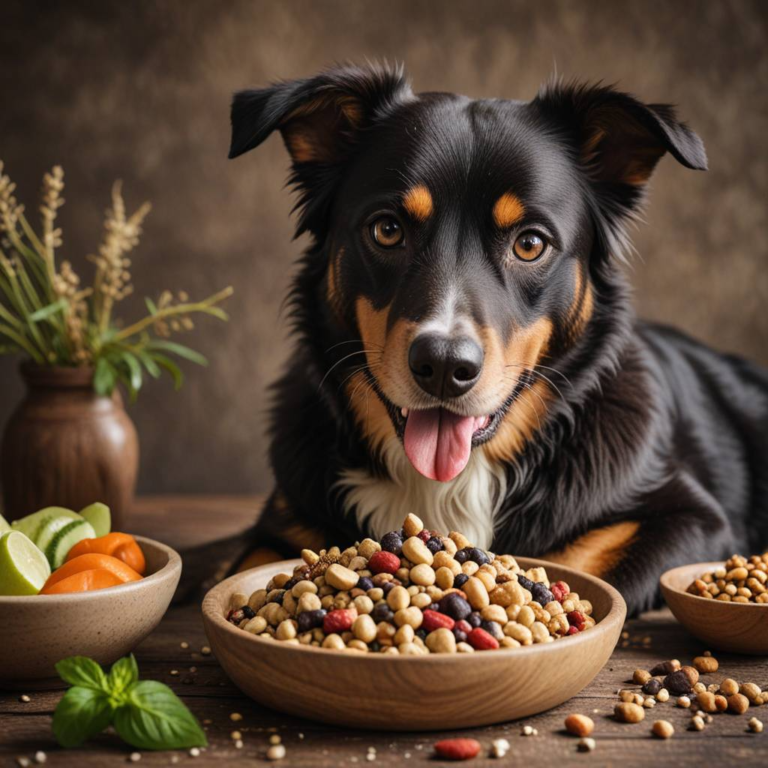
Your dog’s diet plays a crucial role in their coat health. Any changes in diet or nutritional deficiencies can contribute to increased shedding, especially during the winter months. A balanced diet is essential for maintaining a healthy coat and skin, and any imbalances can lead to excessive shedding.
Diet and Coat Health:
- Nutritional Imbalances: A lack of essential nutrients, such as vitamins and fatty acids, can lead to poor coat health and increased shedding.
- New Foods: Introducing new foods or treats to your dog’s diet can sometimes cause digestive upset, leading to changes in their coat and shedding patterns.
Tips for a Healthy Diet:
- Consult Your Vet: Speak with your veterinarian to ensure your dog’s diet meets all their nutritional needs.
- High-Quality Food: Choose a high-quality dog food that contains essential fatty acids and vitamins to support skin and coat health.
- Monitor Changes: Keep track of any dietary changes and observe if they affect your dog’s shedding or coat condition.
By ensuring your dog’s diet is well-balanced and meets their nutritional requirements, you can support a healthy coat and reduce shedding.
4. Health Conditions

Certain health conditions can contribute to increased shedding in dogs, and these can become more noticeable during the winter months. Issues such as allergies, skin infections, or hormonal imbalances can cause excessive shedding and should be addressed promptly.
Common Health Issues Leading to Shedding:
- Allergies: Environmental allergens or food allergies can lead to itchy, irritated skin, resulting in more shedding.
- Skin Infections: Bacterial or fungal infections can cause hair loss and shedding.
- Hormonal Imbalances: Conditions like hypothyroidism can affect your dog’s coat and lead to increased shedding.
When to Seek Veterinary Help:
- Persistent Shedding: If your dog’s shedding seems excessive or is accompanied by other symptoms, such as itching or redness, consult your veterinarian.
- Skin Changes: Any changes in your dog’s skin or coat, such as bald patches or sores, should be evaluated by a professional.
Addressing underlying health conditions with the help of your veterinarian is crucial for managing shedding and ensuring your dog’s overall well-being.
5. Stress and Anxiety
Stress and anxiety can also play a role in increased shedding in dogs. Winter can bring about changes in routine, environment, or activity levels, all of which can contribute to your dog’s stress. Increased shedding due to stress is often accompanied by other behavioral changes.
Effects of Stress on Shedding:
- Behavioral Changes: Stress can cause your dog to groom excessively, leading to more shedding.
- Physical Symptoms: Stress can exacerbate skin conditions or lead to anxiety-related behaviors that increase shedding.
Managing Stress and Anxiety:
- Routine: Maintain a consistent routine to help your dog feel secure.
- Mental Stimulation: Provide toys and activities that keep your dog mentally engaged and reduce anxiety.
- Comfort and Reassurance: Offer extra comfort and reassurance during times of change or stress.
By addressing and managing stress effectively, you can help reduce its impact on your dog’s shedding and overall well-being.
In conclusion, understanding the 5 Reasons Your Dog Might Shed More in Winter is key to managing and mitigating the effects of increased shedding. From seasonal coat changes to environmental factors and health concerns, each reason plays a role in your dog’s shedding patterns. By staying informed and proactive, you can ensure that your dog’s coat remains healthy and beautiful throughout the winter months. Regular grooming, a balanced diet, and attention to your dog’s overall health and environment will help you manage winter shedding and keep your furry friend comfortable and happy.